Guest post by contributor Martha Nakagawa. This is a longer version of the obituary which will appear in the Rafu ShimpoandNichi Bei Weekly. Martha writes: “Cedrick passed away at White Memorial Hospital but it was not related to the COVID-19 virus. Hope everyone is holding up under these strange times.”
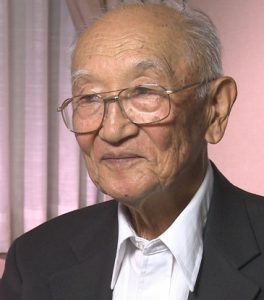
photo: Densho. Click on the image to watch Cedrick’s 2009 Densho interview.
Cedrick Masaki Shimo, a World War II military resister and an executive at American Honda Motors, USA, passed away peacefully on April 1. He was 100.
Greetings from the social distance of Seattle, ground zero for COVID-19 in the U.S. Thanks to those who have checked in to see how we’re doing. We’re all fine, and I certainly hope you and those you know are well — like you, continually checking the phone for the latest domino to fall, unable for these first ten days or so to focus on much of anything besides the massive disruption that has upended our world.
photo: Jabin Botsford, Washington Post
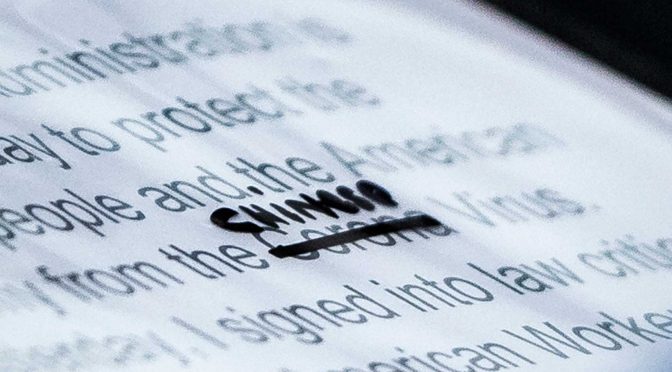
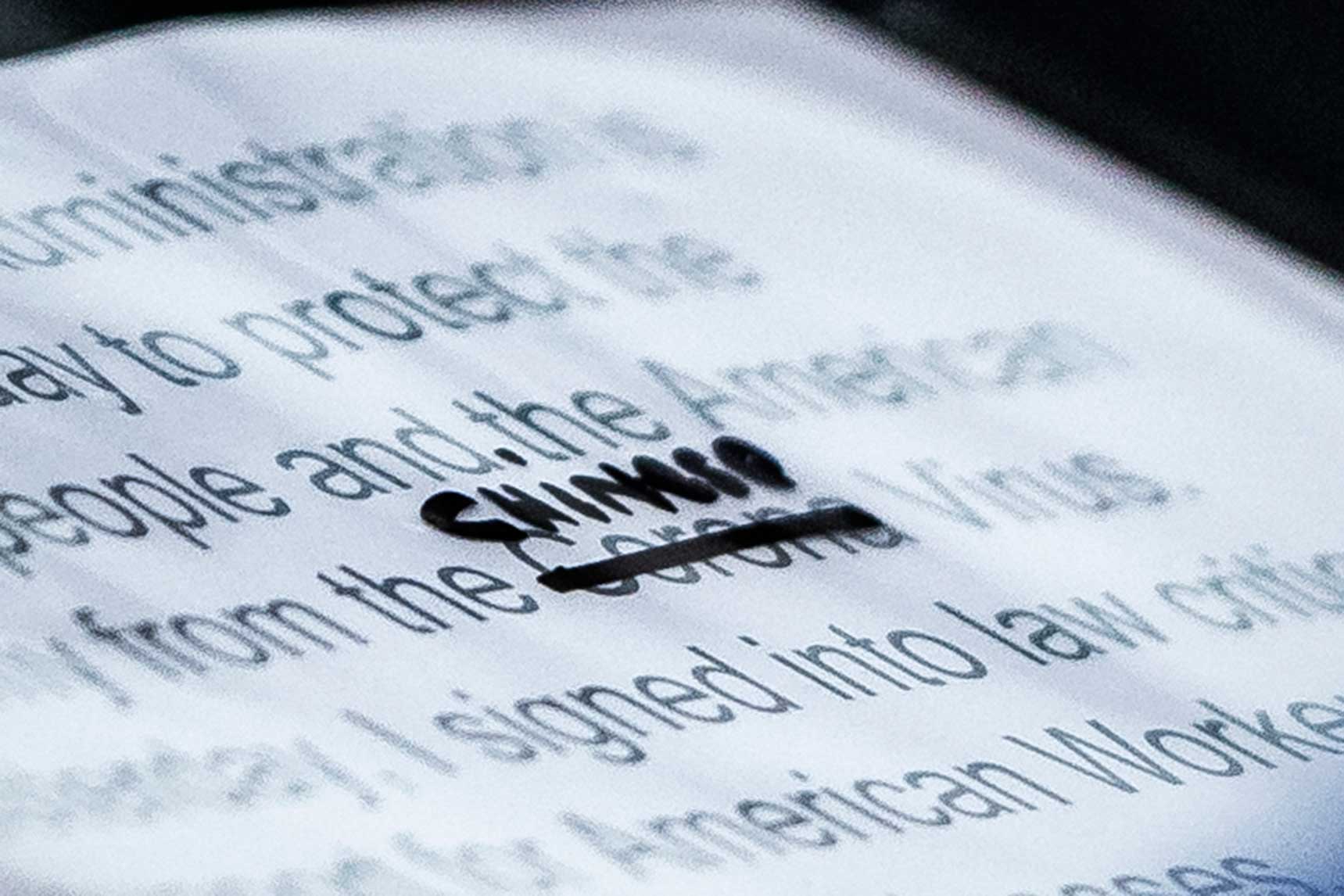
And in this moment, as we wait for the peak of infections to crest, we are starting to see echoes of 1942 in the great pandemic of 2020. We have a nation under attack from a threat which originated in Asia, and which hit America on the Pacific Coast. Anyone with an Asian face becomes a target for racial retaliation. The occupant of the White House belatedly declares himself to be a “wartime president,” and tries to deflect responsibility for his early disease-denial by inflaming the xenophobia of his base and deliberately branding COVID-19 as the “Chinese virus.” Continue reading In the pandemic of 2020, echoes of 1942→
The first Day of Remembrance in 1978 was political. We staged it as a car caravan from Seattle to a family potluck and program at the Puyallup Fairgrounds, but it was only to create a safe space for the Nisei to begin to express their long-suppressed rage at expulsion and incarceration, and channel it into a long-overdue petition for redress of grievances and a call for our elected leaders to right a wrong. Continue reading A Day of Remembrance = A Day of Action→
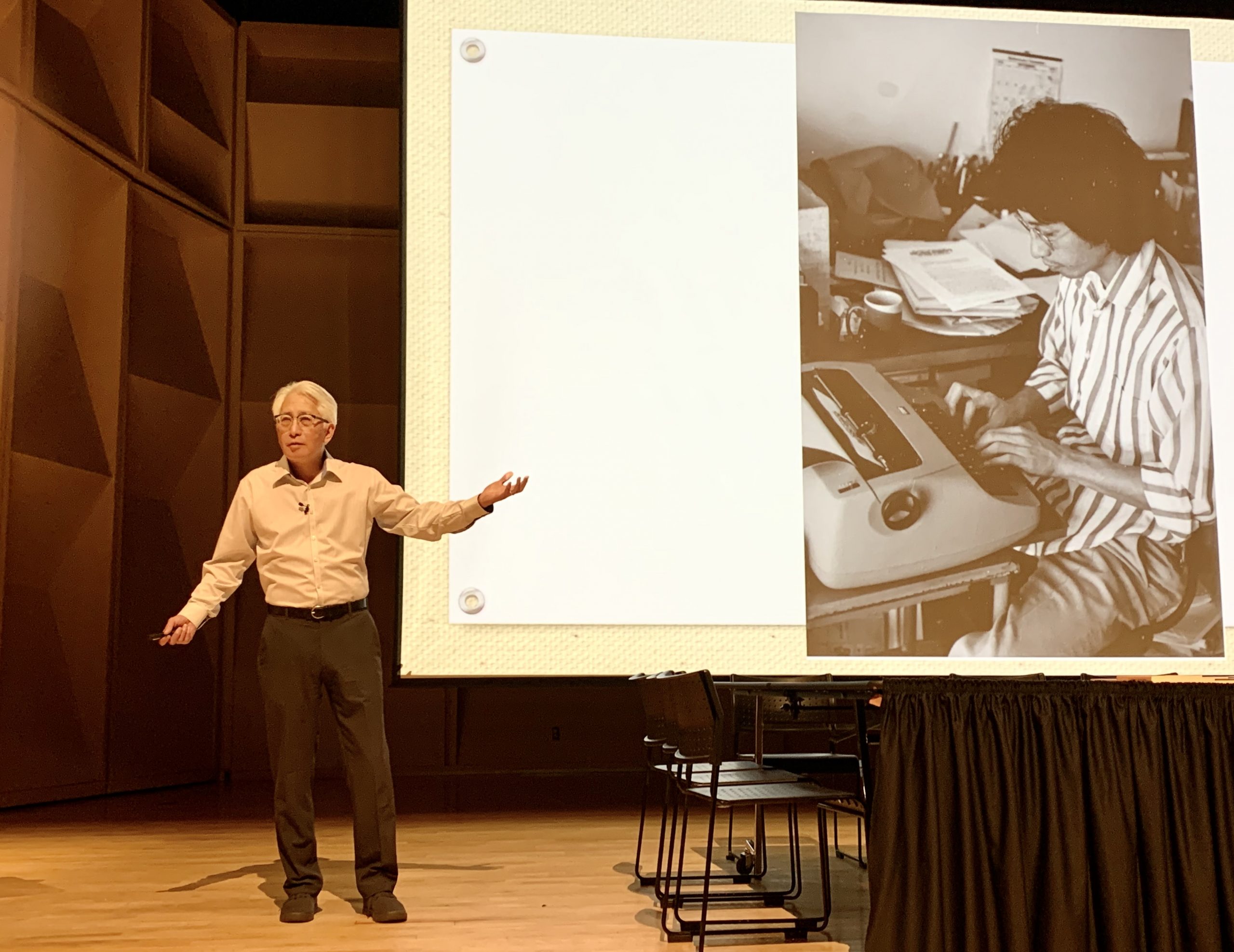
Add performance art to the resume of novelist and professor Shawn Wong.
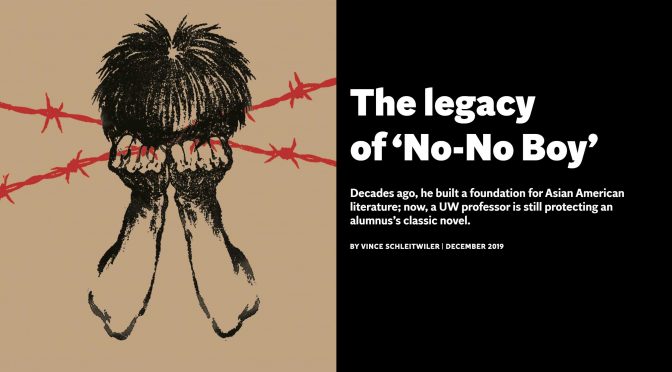
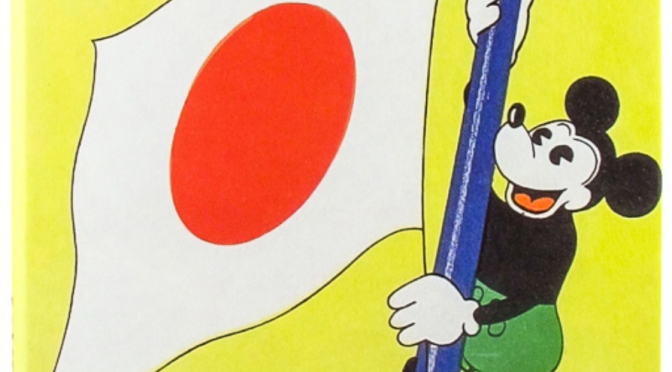
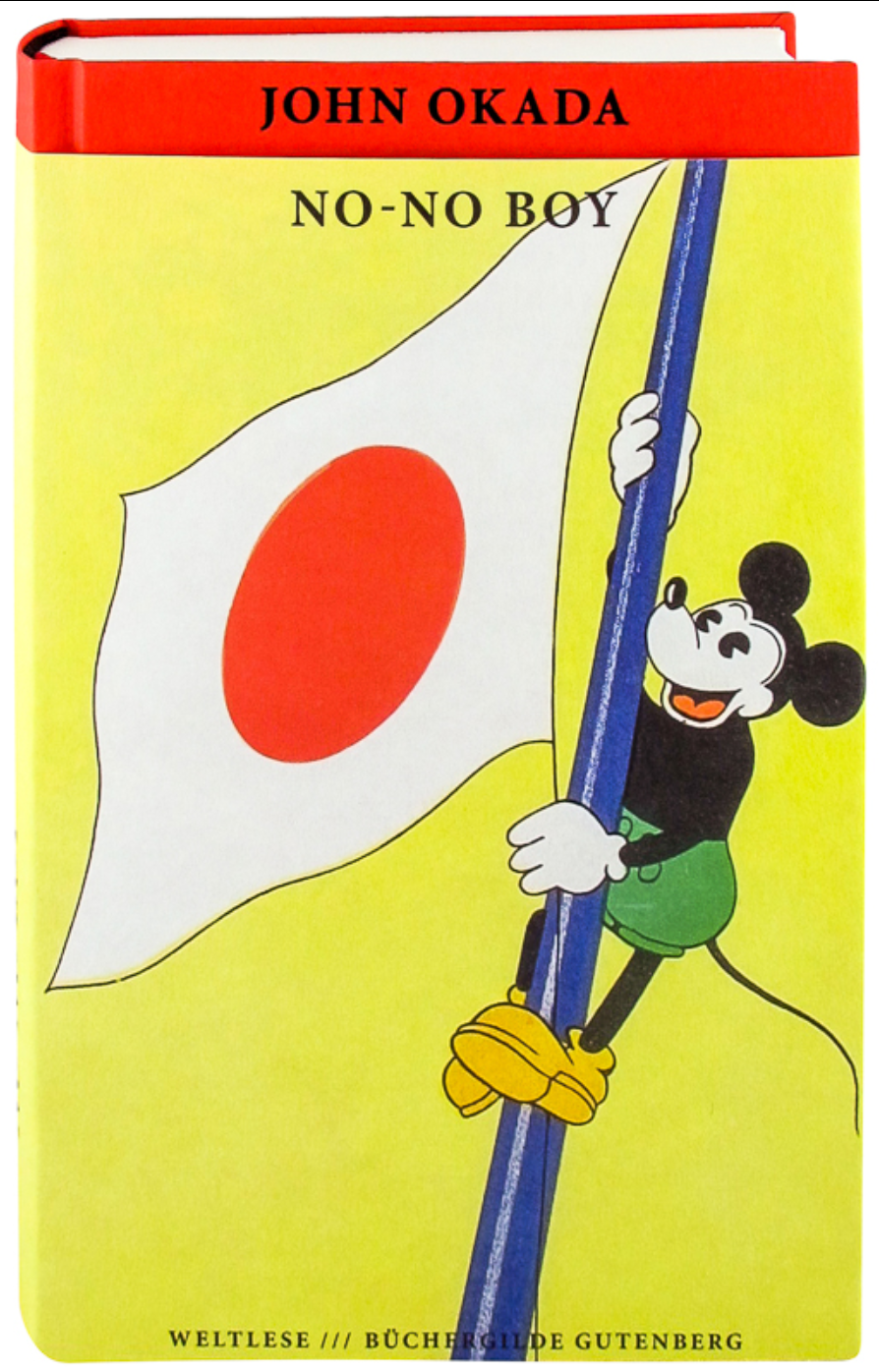
Before an audience of 500 for the Friends of the Libraries annual lecture at the University of Washington on January 30, he acted out what he called the “mostly true” story of how he brought John Okada’s No-No Boy from 1,500 copies in print to selling more than 160,000. Continue reading Shawn Wong’s 49-year journey with “NO-NO BOY”→
Hiroshi Kashiwagi once confided that when he was young he felt his real calling was as an actor. He had the soul of a poet, modest and soft-spoken, until he got on stage. Then he could command a voice that was measured and determined, almost Shakespearean in tone. He held a strong sense of right and wrong, and pushed himself to write and to study public speaking in order to be heard. Continue reading In Memoriam: Hiroshi Kashiwagi — poet, playwright, no-no, and renunciant→
You’d never expect John Okada and the entire literature of Japanese American incarceration to be featured in the Style magazine of the New York Times … but thanks to the passionate interest of Thessaly La Force, features director for T: The New York Times Style Magazine, her deeply felt essay is now online. It will appear in print in the Sunday Times edition on November 17th.
Many thanks to Thessaly for reaching out to Shawn Wong and myself to learn more about this history, and the life and work of John Okada in particular. The literature of Japanese American incarceration is a field that JOHN OKADA co-editor Floyd Cheung and I are researching for a new anthology scheduled for 2021.
Floyd was not present, but Greg Robinson and I were, when our volume on John Okada was honored Friday with an American Book Award from the Before Columbus Foundation.
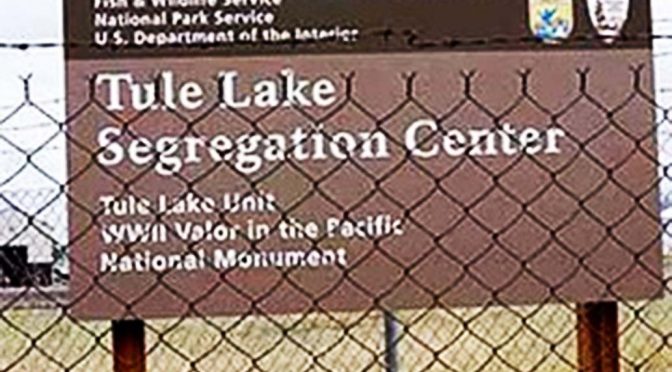
Little news emerged in the past year from the effort to stop the fence at Tule Lake — a three-mile long airport fence that would block access to the “hallowed ground” of America’s worst concentration camp.
We’ve just learned that JOHN OKADA is one of the winners of the 2019 American Book Awards. This honor is especially meaningful as it comes from the Before Columbus Foundation which, as its name suggests, recognizes “literary achievement from the entire spectrum of America’s diverse literary community” and is “a writers’ award given by other writers.”


 The first Day of Remembrance in 1978 was political. We staged it as a car caravan from Seattle to a family potluck and program at the Puyallup Fairgrounds, but it was only to create a safe space for the Nisei to begin to express their long-suppressed rage at expulsion and incarceration, and channel it into a long-overdue petition for redress of grievances and a call for our elected leaders to right a wrong.